 Reviews



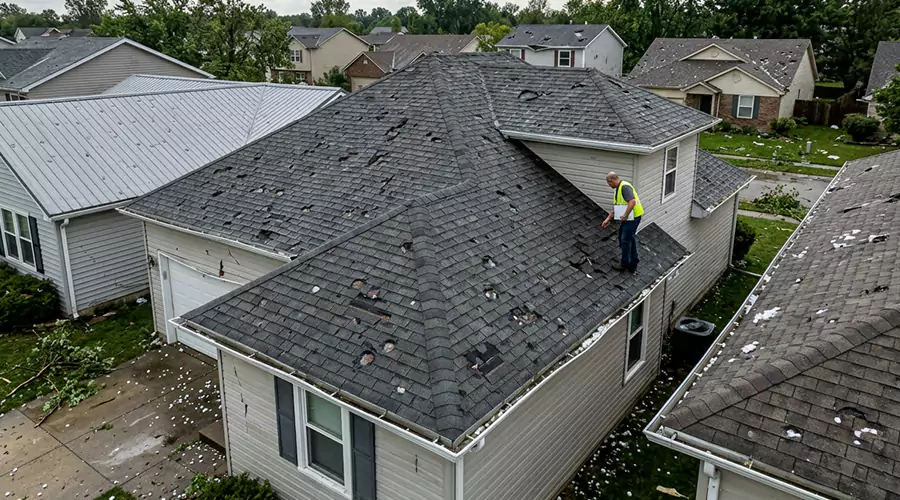
Hailstorms can cause serious damage to residential roofing systems, even when the damage is not immediately visible from the ground. Many homeowners assume their roof is safe after a storm if there are no active leaks, but hail can weaken shingles, flashing, gutters, and other roofing materials over time. Understanding how hail affects your roof can help you take quick action before small problems turn into expensive repairs or a needed roof inspection.
Roof hail damage is one of the most common reasons homeowners file insurance claims each year. Strong storms can shorten the lifespan of roofing materials and leave homes vulnerable to water intrusion, mold growth, and structural issues. Knowing what signs to look for and when to schedule a roof inspection can help protect your home.
How Hail Damages a Roof?
Hailstones vary in size, density, and speed, which means every storm can affect a roof differently. Some storms leave only cosmetic marks, while others create severe damage that requires immediate roof replacement.
Common types of hail damage include:
- Cracked or bruised asphalt shingles
- Missing protective granules on shingles
- Dented metal flashing and roof vents
- Damaged gutters and downspouts
- Cracks in skylights or roof accessories
- Loosened roofing materials from impact
- Water penetration beneath roofing layers
The severity of the damage often depends on several factors:
- Age of the roof
- Roofing material type
- Size of hailstones
- Wind speed during the storm
- Roof slope and design
Older roofs are generally more vulnerable because roofing materials become weaker with age and prolonged weather exposure.
Signs of Hail Damage Homeowners Should Watch For
Some hail damage is easy to spot, while other issues may only become visible during a professional roof inspection. After a hailstorm, homeowners should inspect their property from a safe distance and look for visible warning signs.
Common Exterior Signs
- Dents on gutters, siding, or garage doors
- Granules collecting in gutters or near downspouts
- Visible dark spots on asphalt shingles
- Cracked or torn shingles
- Loose roofing materials around the property
- Damage to outdoor furniture or vehicles
Interior Warning Signs
In some cases, roof hail damage may lead to indoor problems.
Look for:
- Water stains on ceilings
- Peeling paint near rooflines
- Damp attic insulation
- Mold or mildew smells
- Dripping water during rainfall
Interior water damage often means the roofing system has already been compromised.
Why Hail Damage Should Never Be Ignored?
Even small hail impacts can reduce the performance of roofing materials. When shingle granules are knocked loose, the roof becomes more exposed to sunlight, moisture, and temperature fluctuations. Over time, this can speed up roof deterioration.
Ignoring hail damage may lead to:
- Roof leaks
- Rotting wood decking
- Mold growth
- Higher energy costs
- Reduced property value
- Expensive emergency repairs
Minor damage today can quickly become a major roofing problem after additional rain, wind, or heat exposure.
Roof Materials and Their Resistance to Hail
Different roofing materials react differently during hailstorms. Some materials provide better impact resistance than others.
Asphalt Shingles
Asphalt shingles are common on residential homes and can experience bruising, cracking, or granule loss after hail impact.
Metal Roofing
Metal roofs are durable but may still develop dents or cosmetic damage after severe hailstorms.
Tile Roofing
Clay and concrete tiles can crack or break when struck by large hailstones.
Wood Shingles
Wood roofing may split or develop impact fractures from hail damage.
Impact Resistant Roofing
Some homeowners choose Class 4 impact resistant shingles designed to better withstand hailstorms. These roofing products may help reduce storm damage and extend roof lifespan.
What to Do After a Hailstorm?
Taking quick action after a storm can help minimize further roof damage and simplify the insurance process.
1. Inspect Your Property Safely
Check for visible signs of storm damage from the ground. Avoid climbing onto the roof because wet or damaged surfaces can be dangerous.
2. Document the Damage
Take clear photos of:
- Roof areas visible from the ground
- Damaged gutters or siding
- Fallen tree branches
- Interior water damage
- Damaged outdoor property
Documentation can help support an insurance claim.
3. Schedule a Professional Roof Inspection
A roofing professional can identify hidden damage that homeowners may miss. Many roofing problems caused by hail are not obvious without a close inspection.
A professional roof inspection may include:
- Shingle condition assessment
- Flashing inspection
- Structural evaluation
- Moisture detection
- Attic ventilation review
4. Contact Your Insurance Company
If storm damage is confirmed, homeowners should contact their insurance provider as soon as possible.
Important information to provide includes:
- Date of the storm
- Photos of damage
- Inspection reports
- Repair estimates
Insurance policies often have deadlines for filing storm damage claims.
How Roof Inspections Help Prevent Bigger Problems?
Professional roof inspections play an important role after hailstorms because some damage may not appear immediately. Small cracks or weakened shingles can allow moisture to slowly enter the roofing system.
Benefits of roof inspections include:
- Early detection of hidden damage
- Prevention of future leaks
- Accurate repair recommendations
- Support for insurance documentation
- Improved roof lifespan
Regular inspections can also help homeowners plan for maintenance before severe issues develop.
Roof Repair vs Roof Replacement After Hail Damage
The right solution depends on the extent of the storm damage.
When Roof Repair May Be Enough?
Repairs may work if:
- Damage is limited to a small area
- Roofing materials are still in good condition
- The roof is relatively new
- Structural components remain intact
When Roof Replacement May Be Necessary?
Replacement may be recommended when:
- Large sections of shingles are damaged
- Multiple leaks are present
- Roofing materials are near the end of their lifespan
- Structural decking has water damage
- Repairs would not provide long term protection
A professional roofing contractor can determine whether repair or replacement is the better long term option.
Tips to Help Protect Your Roof From Future Hail Damage
Although hailstorms cannot be prevented, homeowners can take steps to reduce potential roof damage.
Helpful protection tips include:
- Schedule regular roof inspections
- Replace aging roofing materials
- Keep gutters clean and functional
- Trim overhanging tree branches
- Upgrade to impact resistant shingles
- Address small roof repairs quickly
- Ensure proper attic ventilation
Routine maintenance can improve the overall durability of your roofing system during severe weather.
Final Thoughts
Hailstorms can leave behind serious roof damage that may not always be visible immediately. Taking fast action after a storm can help homeowners avoid leaks, structural damage, and expensive future repairs. Understanding the warning signs of hail damage and scheduling a professional roof inspection are important steps in protecting your home.
Regular roof maintenance, timely inspections, and quick repairs can help extend the life of your roofing system and reduce the impact of future storms. Whether the damage appears minor or severe, addressing roofing problems early can help homeowners maintain a safer and more secure property.